Your eyes are the first thing others see when they look at your face. An immediate impression is formed about your age, level of energy, and how tired you are. The eyes are also the first part of the face to show the signs of aging.
It is also important to note that when people look at our eyes, they are not just seeing the upper eyelids or lower eyelids, they are seeing the entire region around our eyes. This includes the skin, the hollows and dark circles beneath the eyes, and the sagging eyebrows.
Therefore when developing a treatment plan for real rejuvenation of the eyes, the changes that have occurred to the midface (upper cheek), eyebrows, skin, and volume have to also be taken into account.
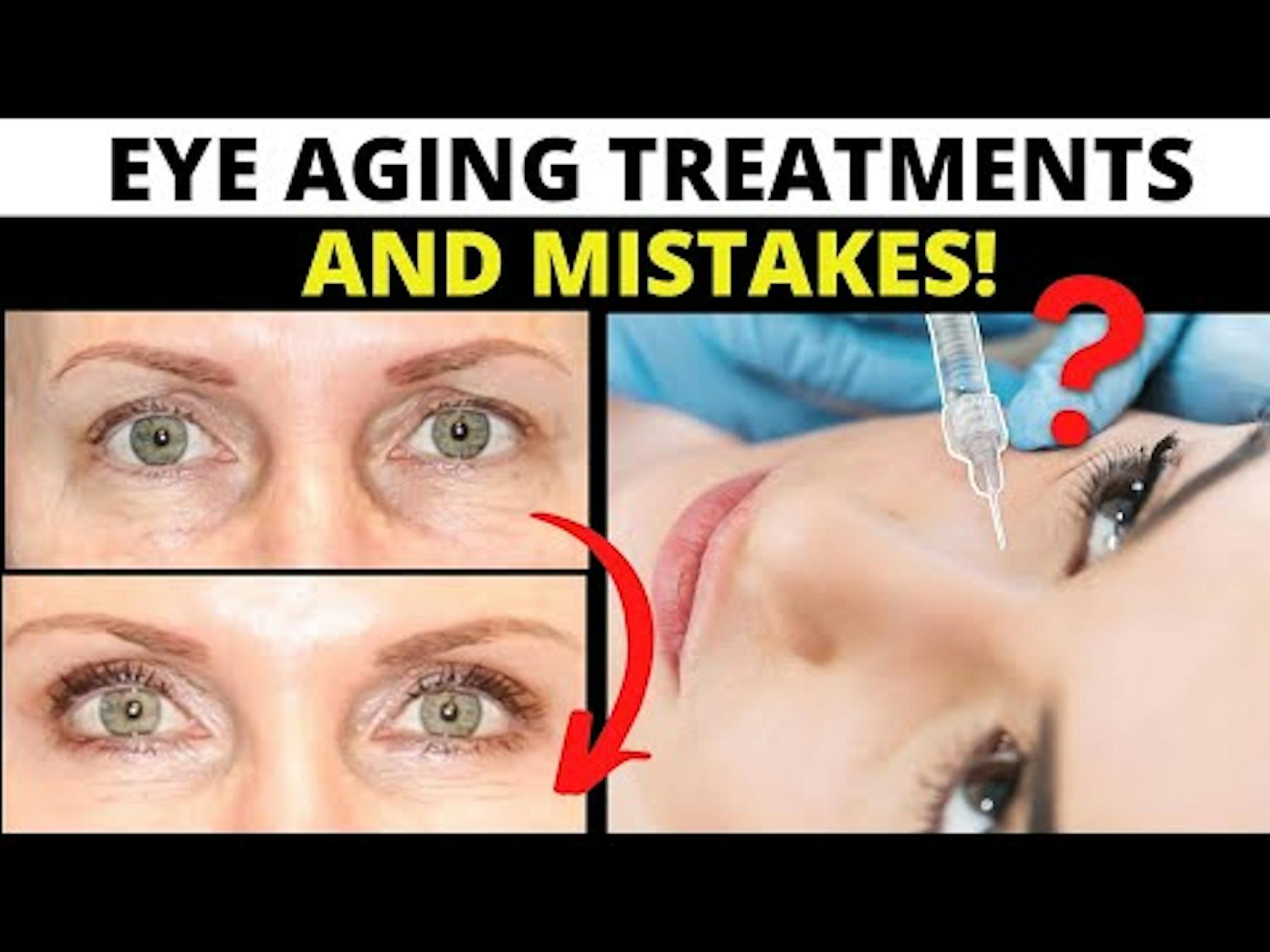
Aging of the eyes starts in the mid 30's. One of the first signs of aging is loss of volume in the lower eyelid region. This results in hollows (tear trough deformity) and dark circles that leave the eyes looking tired and drawn. With time other changes occur. Puffiness or bags along the lower eyelid region, accumulation of excess skin along the upper eyelids, decent of the eyebrows, loss of volume of the midface and upper cheeks, and the appearance of fine lines and wrinkles around the eyes are the other changes that result from aging.
Following a comprehensive assessment of the aging-related changes around the eyes, a much more sophisticated treatment plan can be prepared.
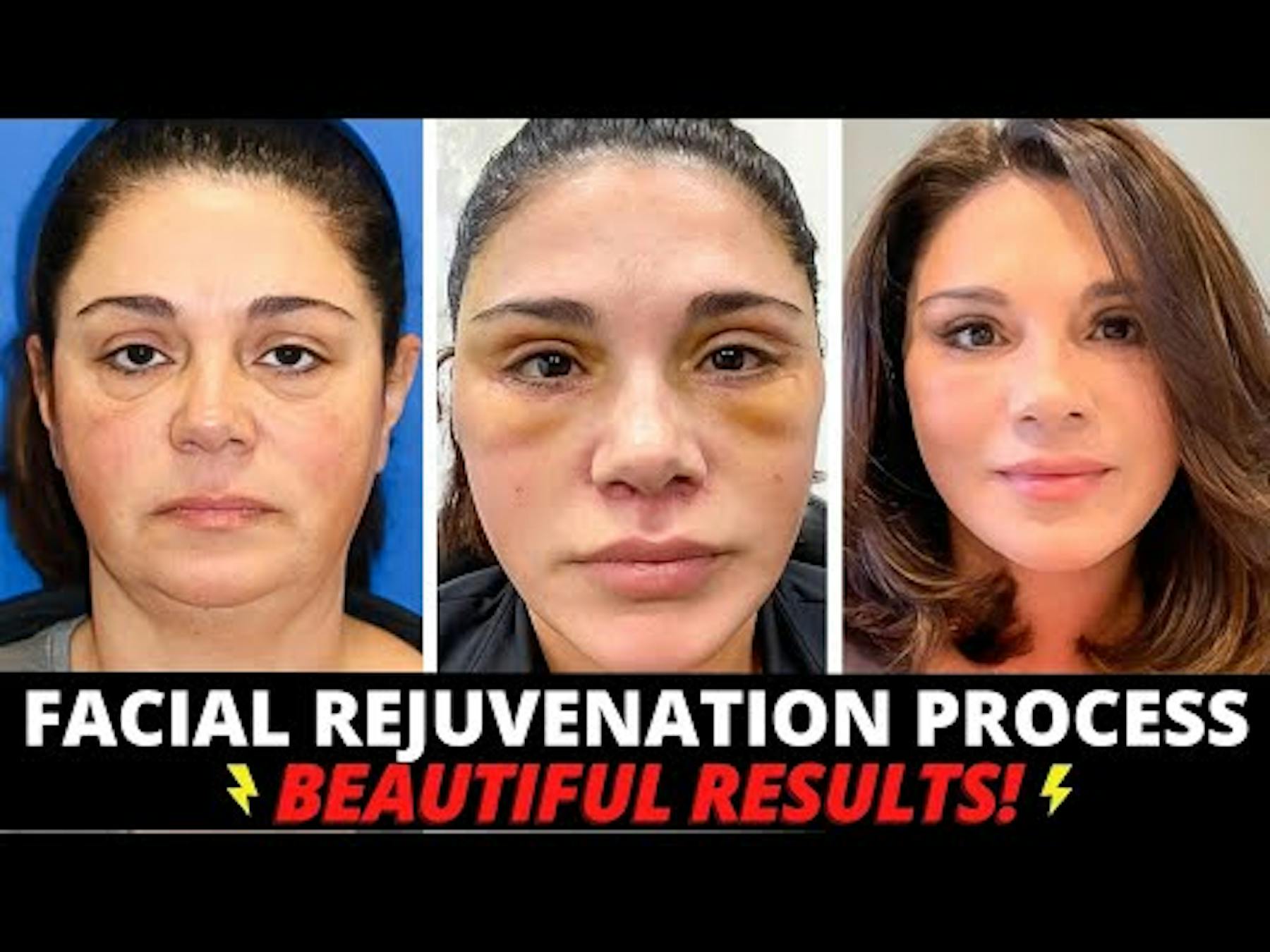
Commonly the plan involves a variety of non-surgical and conservative surgical modalities that when put together, truly rejuvenate the eyes with minimal risk and downtime. This leaves the eyes looking revitalized and rejuvenated without changing the shape of the eyes or their function.
Non Surgical Eyelift
Fillers such as Restylane can be used to fill the tear troughs of the lower lids as well as the hollows along the upper eyelid region. This is an in-office procedure and typically takes 10 minutes and is virtually painless. The results are dramatic. They leave the eyes looking significantly more refreshed and less tired-appearing. Often this can be combined with Botox, which be used to lift the eyebrows and significantly reduce the appearance of wrinkles in the crows fee and along the lower eyelid region. Learn more about the non surgical eyelid rejuvenation.
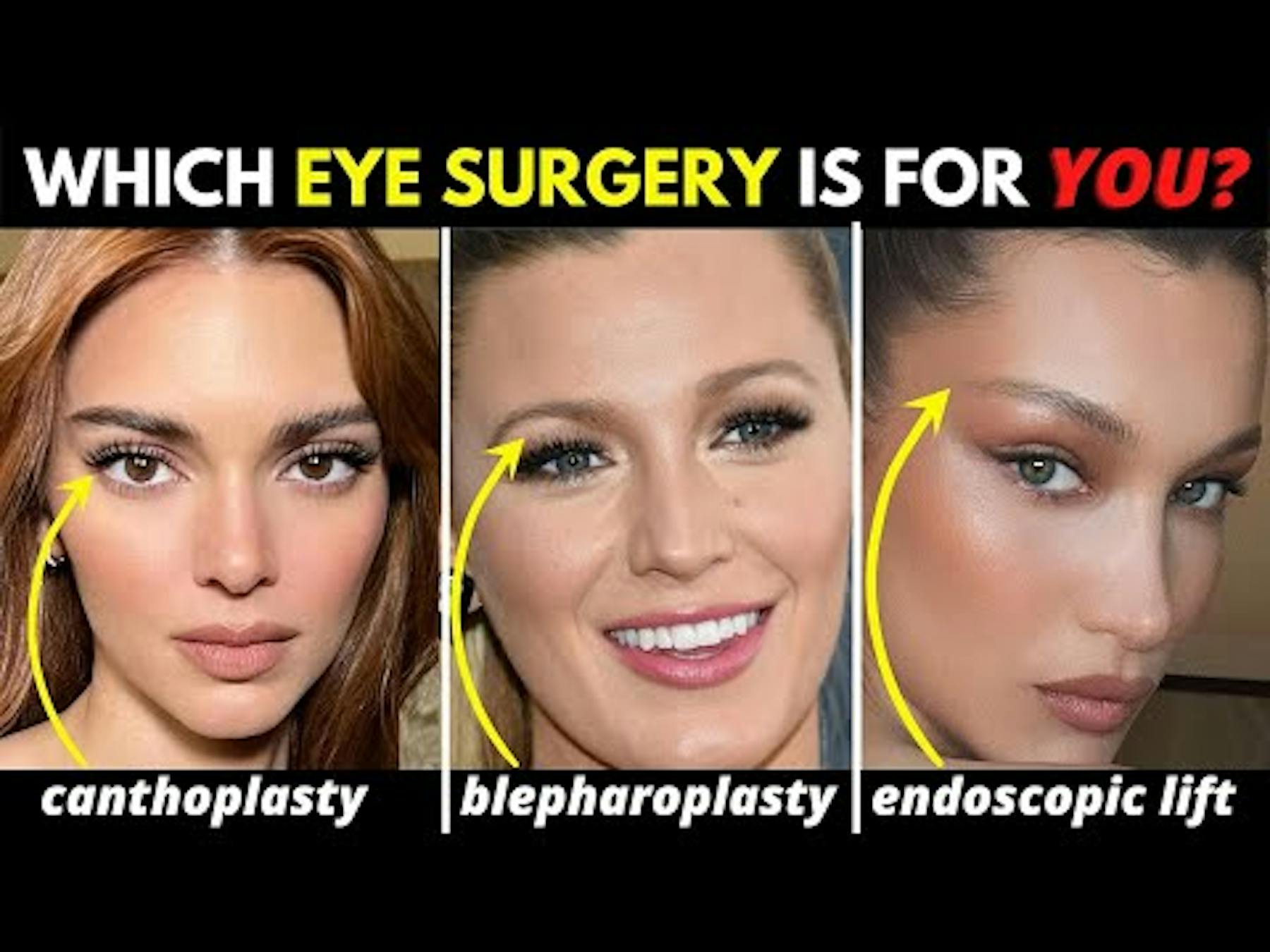
Upper Eyelid Blepharoplasty
This is a procedure that is performed to remove the extra skin that sags and drapes over the upper eyelid. It creates a lighter, more contoured upper lid. While Men and Women enjoy looking years younger and benefit from this procedure equally, the techniques are different for each sex. A skilled and experienced surgeon is required to create a natural rejuvenation while maintaining eyelid function.
Women, in addition to the anti-aging benefits, they also commonly note how much nicer it is putting eye shadow on their new smooth upper lids. It is no longer crowded by the loose skin.
Men, commonly note how much younger and rested their eyes appear. For men, looking younger and more energetic has major implications professionally. This the most common reason our male patients choose to have the procedure.
It is most commonly performed under local anesthesia in the office. The eyelid crease is first carefully marked then the amount of excess skin is marked and an ellipse of extra skin is then carefully removed. Occasionally, fat or muscle is removed to decrease the fullness. The incision lies in the natural crease, therefore it is imperceptible even as early as 1 week after the procedure. Stitches are removed within 1 week. The actual downtime consist of very mild swelling and redness and typically resolves after 3-4 days. Bruising is very rare. The entire procedure typically takes 30 minutes.
The results are very dramatic.
Lower Lid Blepharoplasty
This procedure is performed on patients with fat pockets (bags) under the eyes. In patient's with bulging fat but not very much saging skin, the procedure is perfomed without any external incisions (transconjunctival lower eyelid blepharoplasty). This is ideal for patients who have very little extra skin but significant amount of extra fat (bags). On the other hand, patients with extra lower eyelid skin with/without bags, are candidates for skin-muscle flap blepharoplasty. In this procedure, an incision is made just below the eyelashes and the fat is removed along with a small amount of skin and muscle. This tightens the skin in addition to decompressing the bags.
Eye Brow/Forehead Lift
The eyebrows should be positioned above the bony rim. Whether because of genetics, volume loss, or gravity, in certain cases, they begin to descend below the rim. When this occurs the eyes take on a crowed, tired, angry or sad impression. These expression may not reflect how you actually feel. The treatment is a procedure call the the forehead lift or browlift . Based on variety of factors including gender, position of hairline, and the shape of the brow, a different approach is used depending on the case. The basic approaches are the endoscopic browlift, the coronal, the pretricheal, and the mini lateral brow lift.
Understanding the Differences
The main difference among the various options for forehead lifting consists of the placement of the incision.
The original technique is the coronal incision, which is made slightly behind the natural hairline. An alternative is the pre-trichial incision. This is similar to the coronal incision except that the mid-portion of the incision is made directly at the hairline. This incision generally heals favorably and has the advantage of lowering the hairline. The disadvantage could be noticeable scarring. An option is to place the incision within the mid-forehead creases. This is primarily used in men with deep pre-existing forehead lines.
A more recent approach is endoscopic forehead lift surgery. Several small one-half-inch to one-inch incisions are placed just behind the hairline. Although this technique may require more surgery time, it is less invasive and results in a smaller chance of temporary scalp numbness.
A Mini Lateral Brow Lift, is a modification of a full brow lift. Very small incision are placed in the hairline in the temple region and the corners of the brow are pulled up. This give women the pleasant arched shape.
Depending on the type of browlift procedure being performed, it takes between one to two hours to perform. It is most commonly performed under local anesthesia, IV sedation (twilight anesthesia).
Not infrequently, a brow lift is combined with blepharoplasty (an eyelid tuck) or face lift to provide a harmonious rejuvenation.
Micro Fat Transfer
The Problem : As we age, the layer of fat under our facial skin begins to thin. This causes the face to look deflated and drawn when compared to the full roundness of a younger face. Especially around the eyes, hollows and contour changes leave the face looking older and more tired. Volume loss is one of the earliest signs of aging. It starts to occur in the mid 30's and continues to progress. Until recently, this component of facial aging was overlooked. We are now realizing what a major contribution volume makes to looking younger, healthier and more energetic.
The Treatment : One of the old dictums in plastic surgery is "replace like with like." When it comes to facial volume loss, micro fat transfer is the treatment of choice. A gentle liposuction technique is used to prepare the fat for transfer. Then the fat is then injected in the desired portion of the face, using a micro injection technique. This approach allows extremely small parcels of fat to be placed into multiple layers of the face. This maximizes potential survival and allows for optimal aesthetic outcome. In my practice this is done most commonly around the hollows and grooves of the lower eyelid region and cheeks. It is also placed on the upper eyelid region and just beneath the eyebrow.
Anesthesia : The procedure is most commonly performed under local anesthesia with a light oral sedation. Patients go home the same day with little discomfort and essentially no downtime. Bruising is variable.
Expected Outcomes: Generally, 40-60% of the transferred fat persists permanently. Although, the long-term efficacy of transferred fat has been documented in numerous studies results are extremely technique dependent. I encourage all my prospective patients to speak to past patients and ask them what their experience has been with the long-term results.
Post Operative Course: Other than a very small incision at the fat harvesting site, no incisions are made in the face. The most common post procedure issues are swelling and bruising. This is often minimal and often resolves in a few days. Patients usually return to normal activity within a week. The more regions of the face that are treated, the more time it takes for the swelling to settle.
If you are ready to schedule an appointment with facial plastic surgeon Dr. Karam for eyelid rejuvenation or blepharoplasty in San Diego California call us at 858-259-3223 today.
|